What Your Organization Says After an Incident Can Be Used Against You
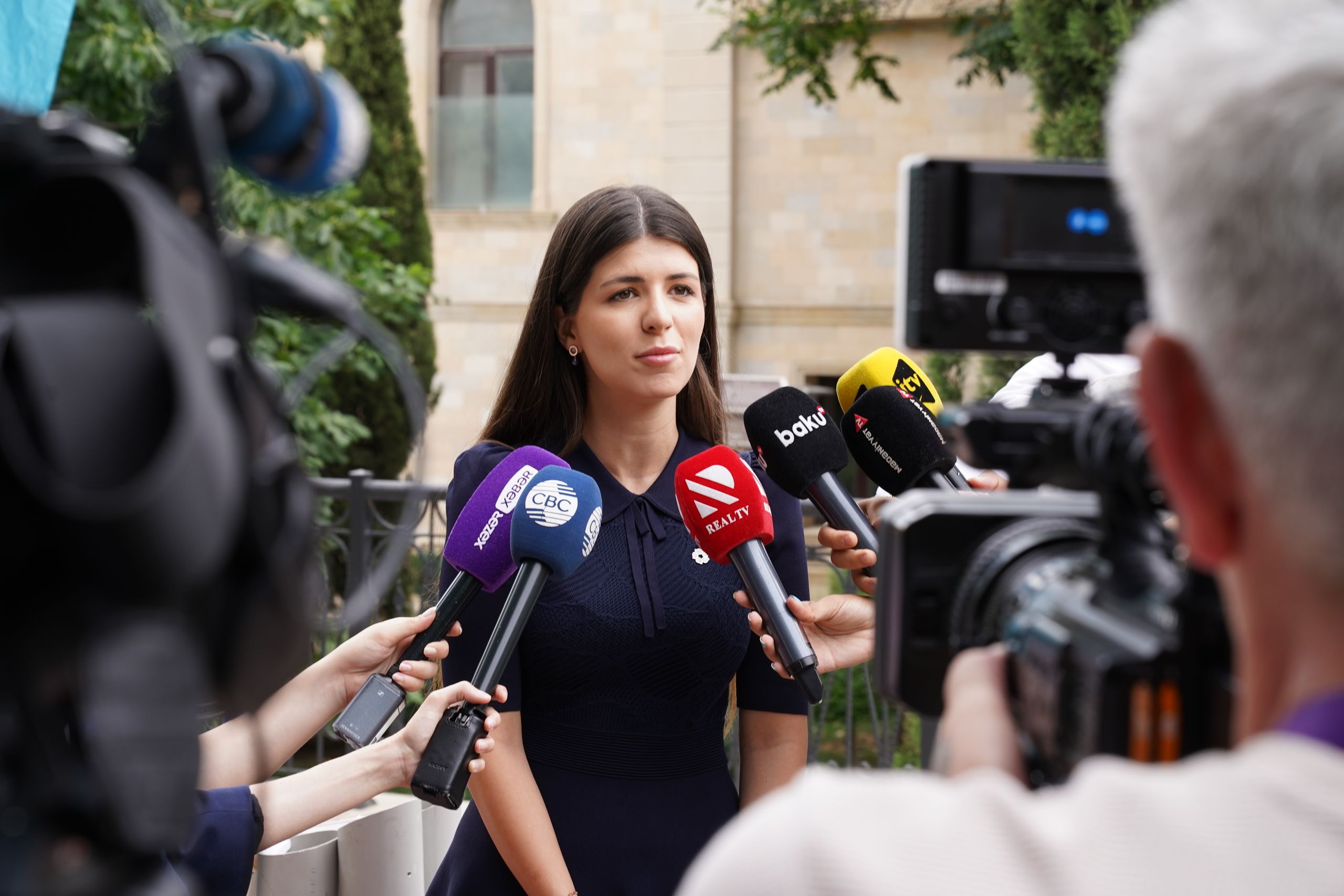
Most states treat many statements by your employees as binding admissions. That doctrine is not a distant legal concern. In the days and weeks after a serious incident, the emails your program director sends to parents, the conversations your operations director has with staff, and the statements your organization posts on social media can all become substantive evidence at trial. You need to train your staff not only how to respond to an incident, but what to say (or not say) about it.
The Admissions Rule and How Far It Reaches
Courts generally hold that statements by an employee or agent concerning a matter within the scope of employment, made while the employment relationship exists, fall outside the hearsay rules. They come into litigation as substantive evidence, not just for credibility purposes.
The limiting principle matters as much as the rule itself. Courts have held that the statement must concern subject matter the speaker would know because of their specific job duties. A vague executive apology about general organizational values, from someone without direct knowledge of the underlying incident, may not clear that bar. But the program director who supervised the accused employee has that knowledge because of her job. The camp operations director who handled the incident response has it because of his. The youth coordinator who received the initial disclosure has it because of hers. Their statements about those specific matters come in as evidence without a hearsay barrier.
Social Media Statements Create the Same Risk
The admissions rule does not stop at emails and formal communications. Opposing counsel will gather every public statement your organization made after an incident, including social media posts. Organizations routinely underestimate this exposure because they treat social media as informal communication. It is still evidence.
The practical problem compounds quickly. In the first 24 to 48 hours after a serious incident, your organization faces intense pressure to say something publicly. Parents are texting each other. Staff are posting on Facebook. Speculation fills the gaps in real information. The temptation is to get ahead of it with a statement that reassures your community and defends your organization’s practices.
That impulse is understandable, but it can create bigger problems. A statement that your organization “followed all its policies” or that “all employees are screened” does more than reassure. It creates a target. Once you make that claim publicly, opposing counsel tests it against your actual records. I have spent considerable time in client files auditing what organizations claimed versus what they could document, and the gap is rarely flattering.
The school that publicly condemned its own students before the full video emerged illustrates the problem precisely. The school issued a statement condemning students and promising action up to expulsion, then reversed course entirely when the complete footage appeared. The public statement got ahead of the facts.
What Your Statement Should and Should Not Do
The goal in post-incident public communication is to express genuine concern for the people affected. The goal is not to make claims or defend your practices before you know what the facts will prove.
The Mall of America’s response after a man threw a child from a third-floor balcony in 2019 shows the right approach. Their public statement after the family filed suit led with concern for the injured child, stated that the organization had been focused on his welfare from the beginning, and addressed the lawsuit only at the end. They did not claim their railings met code or that the attack was unforeseeable. The statement worked because it was true and because it did not reach beyond what they could verify.
Three principles follow from that model.
Express concern for the victim first and do not qualify it. “We are deeply concerned for the child and the family” costs nothing legally and matters to how a jury reads your organization’s character.
Do not make claims about your policies or practices that you have not audited. You cannot verify in 24 hours that every employee was screened, that every policy was followed, or that your procedures were adequate. If you say it and it is not true, you have created evidence against yourself.
Acknowledge what you do not yet know. “We are cooperating fully with investigators and will share more information as the investigation allows” is accurate, non-defensive, and does not create a claim you have to walk back.
Build Your Communication Protocol Before an Incident
Post-incident communication is not something to improvise. The decisions that matter most happen in the first hours, when emotions run high, facts are incomplete, and the pressure to say something is greatest.
• Build your protocol before you need it. Identify in advance who speaks for the organization after an incident, in what capacity, to which audiences, and with what authorization. Prepare shell statements with fill-in-the-blank prompts so you are not starting from a blank page when the phone starts ringing. A shell that begins “It has come to our attention that” and moves to “We are cooperating fully with authorities and are focused on the wellbeing of” is far more useful under pressure than a blank screen.
• Train the people in roles that carry post-incident responsibility. Your program directors, operations staff, and child safety coordinator all speak to matters within their job duties. What they say informally to parents, in group texts with staff, or in response to a journalist’s question can come in at trial. They need to know that before an incident, not after one.
• Keep social media authorization tightly controlled during and after an incident. No organizational account should post during an active incident without legal review. Personal accounts of employees connected to the affected program create the same exposure. Develop a written policy and train your staff in it.
Post-incident communication done poorly creates its own legal headaches, independent of whether your organization did anything wrong in the first place. Work with your attorney to build your protocol while the stakes are low enough to think clearly.