What 250 Years Can Teach Us About Child Protection Policy
The Founders built something that has lasted 250 years not because they got everything right the first time, but because they encoded principles, designed a system that could evolve, and then did the unglamorous work of making it function. I have spent decades advising and defending youth-serving organizations, and I see the same three failure points in child protection policy work that the constitutional system took generations to work out. Most organizations get one of them right. Fewer get all three.
Principles First, Procedures Second
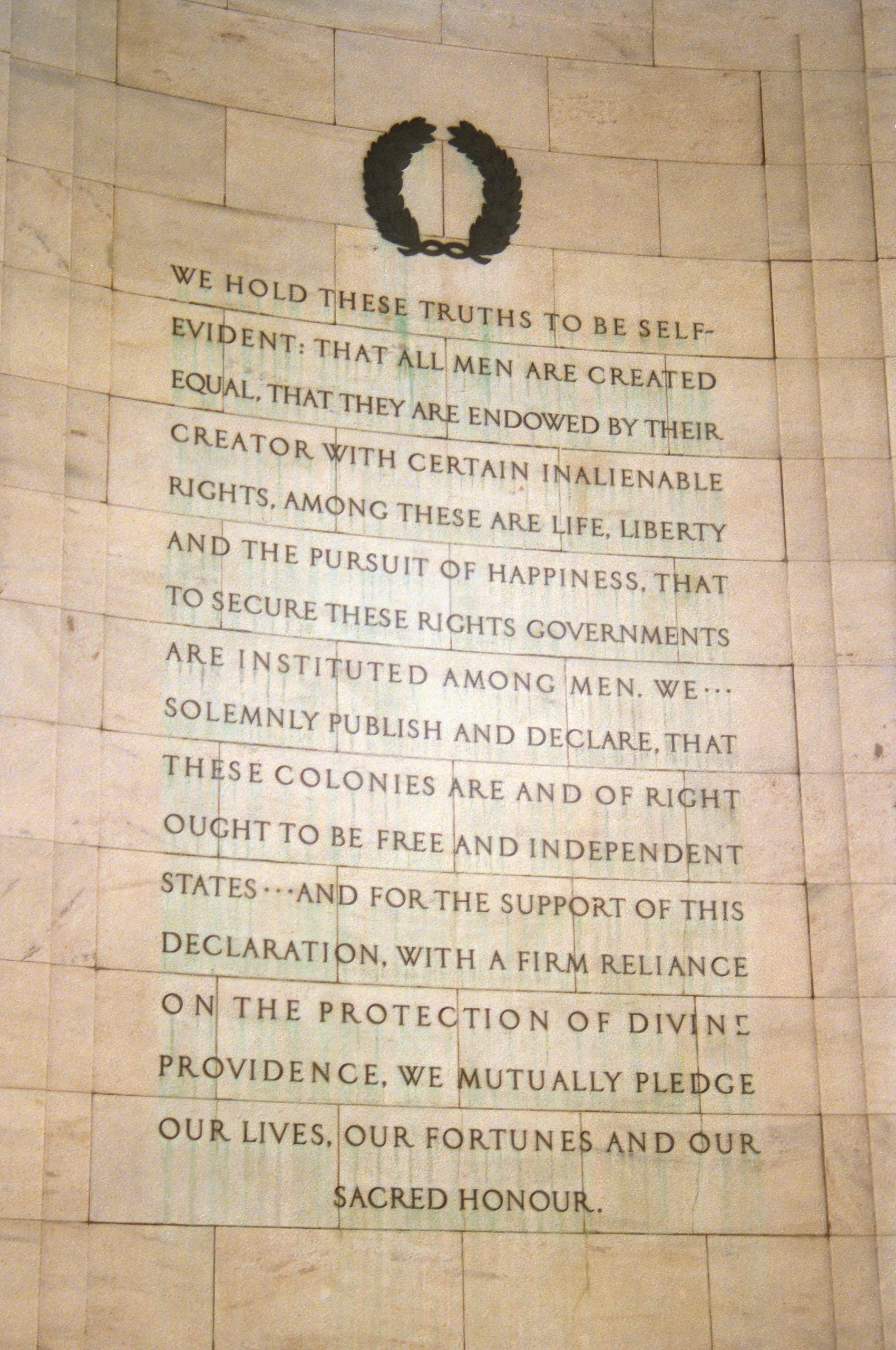
The Declaration of Independence is not an operations manual. It articulates the principles that should drive every decision: human dignity, accountability, the consent of the governed. Those principles guided interpretation and institutional behavior across 250 years of situations the Founders never anticipated.
Child protection policies rarely work that way. Most run to several pages of specific rules: who reports to whom, what documentation goes where, which behaviors trigger which responses. That specificity matters. But a policy built entirely on procedures and no underlying principles creates a specific vulnerability that I see generate liability repeatedly.
Staff do not consult the policy manual in the moment. When a child discloses something troubling, when a staff member witnesses a colleague behaving inappropriately, when a situation arises that the procedures did not anticipate, staff fall back on what they have internalized. They act on the values they absorbed in training and on what they see modeled in the organizational culture around them every day.
A policy that states good values but never drives training is a document, not a protection system. A culture where leadership talks about child safety but tolerates small boundary violations sends a message that overrides whatever the policy says. The written principles only protect children if the organization teaches them, reinforces them, and lives them consistently at every level.
Build in the Revision
The original Constitution was remarkable and incomplete. The Founders knew it. They built in the amendment process not as an afterthought but as a core design feature. A document written in 1787 could not anticipate everything that would arise in 1865, or 1920, or 2025. The ability to revise was not a sign of failure. It was the plan.
Organizations that treat their child protection policies as finished documents make the same mistake the Articles of Confederation made. The world the policy described when you wrote it is not the world you operate in now. Staff turn over. Technology changes how predators access children. Research improves our understanding of grooming behaviors. Regulators update their requirements. New programs create new supervision gaps.
A policy that has not changed in three years almost certainly has not kept pace with your organization. That does not require a complete overhaul every twelve months. It requires a regular review process that asks specific questions: Does this policy reflect what we actually do? Does it address the risks we face now? Has anything in the law or in our programs changed since we last looked at this?
The amendment process also required deliberation, not just one person deciding to make changes. Your policy review process should work the same way. Involve the people who implement the policy daily. They know where it does not match operational reality.
The Policy-Practice Gap Is a Liability Problem
Here is what most accounts of the founding leave out. Signing the Declaration was the dramatic moment, but it was not the hard part. The hard part was the years that followed: building courts, establishing norms, creating the institutional habits that made the constitutional system function in practice. The document mattered. The follow-through is what made it last.
Most organizations do their best policy work at a planning retreat or at the conclusion of a training program. Leadership spends real time thinking through risks, writing thoughtful procedures, sometimes consulting counsel. They produce a good document. Then the document goes into a binder or onto a shared drive, training happens once at onboarding, and the day-to-day culture drifts away from what the policy requires.
This gap creates direct legal exposure. The pattern I see repeatedly in litigation is an organization with a solid written policy that cannot demonstrate it trained staff on that policy, enforced it consistently, or caught violations through any audit process. At that point, the written policy works against the organization. It becomes evidence of what the organization knew it should be doing and was not doing. That can a significantly worse litigation position than not having a policy in the first place.
Closing that gap requires three specific commitments:
- Train on the policy itself, not just on child safety generally. Staff need to know what your specific policy requires, not just broad principles.
- Enforce consistently, because one supervisor who tolerates boundary violations because an employee is otherwise valuable will undermine everything the policy says.
- Audit regularly by reviewing incident reports, spot-checking documentation, and asking staff what they actually do in specific scenarios. Their answers will show you where the gap is.
Three Questions
The 250th anniversary is a useful occasion to assess whether your organization has learned the lessons that took the American constitutional system two and a half centuries to work through.
- Does your policy encode the principles that should drive decisions in situations your procedures did not anticipate?
- When did you last revise it, and does your revision process involve the people who implement it daily?
- Can you demonstrate, with training records and audit documentation, that your staff actually follows what your policy requires?
If any of those answers are uncomfortable, treat that as useful information. The Founders were not satisfied with a good document either. They kept working.